South Korea finds itself at a delicate crossroads. On one side, an unprecedented rush by retail investors into U.S. stocks is draining won liquidity. On the other, a commercial treaty with the U.S. threatens to accelerate dollar outflows. The combination of the two puts pressure on currency stability (which lost 8% against the dollar in the last six months).
(1) Retail investors & Overseas Investments
South Korean retail investors have bought a net $30 billion in U.S. stocks this year (almost triple the amount for all of 2024) and collectively hold a record $160 billion in U.S. equities. The Financial Supervisory Service of South Korea will review measures to protect retail investors from currency risks, ensuring intermediaries properly explain hedging issues, but no restrictions on foreign purchases are planned.
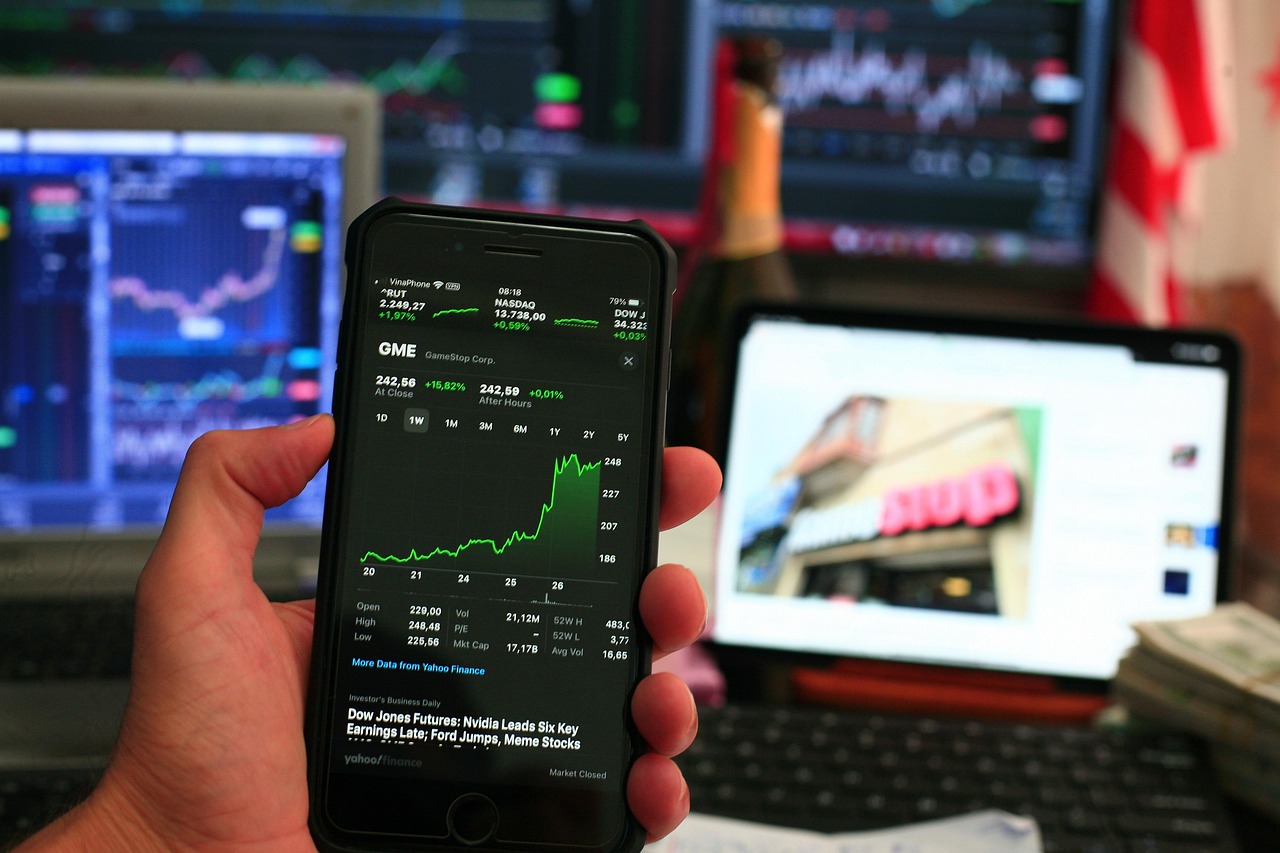
Given the aggressive and risk-prone investment profile of (young) Korean investors, concerns are growing about whether they fully understand the risks of heavy exposure to U.S. stocks, leveraged ETFs, and meme stocks, exemplified by the October surge and crash in Beyond Meat shares. Retail trading dominates over half of Korea’s daily volume, and some analysts note that U.S. markets are increasingly influenced by these investors.
Meanwhile, the Korean stock market has surged about 68% this year, aided by AI-driven gains in Samsung and SK Hynix, while remaining relatively cheap with a P/E of under 16. Sociological analyses link the frenzy to housing unaffordability and inequality, likening it to financial gambling.
(2) The U.S.–South Korea Commercial Treaty
Under the trade agreement with Trump, South Korea committed to investing $350bn in the United States in strategic sectors – including vehicles, semiconductors, and pharmaceuticals, in exchange for 15% tariffs on its exports. As part of the deal, Seoul will pay $200 billion in cash in annual installments of max. $20bn to help stabilize the won, seeking U.S. dollars through means other than market purchases to reduce domestic currency impact.
Conclusion
Currency stabilization efforts, including a fund increased to $5bn billion and recent bond sales, are small compared with its $350bn U.S. investment commitment. Combined with the frenzied activity of retail investors, this suggests rising pressure on the won and likely challenges for authorities in the coming years, potentially leading to currency controls or U.S.-backed swap arrangements to manage dollar outflows.
Source
https://phastidio.net/2025/12/04/sud-corea-lo-squid-game-dei-risparmiatori
https://www.ft.com/content/ea8ece91-ecc6-48ec-a21a-6d3c5148726f