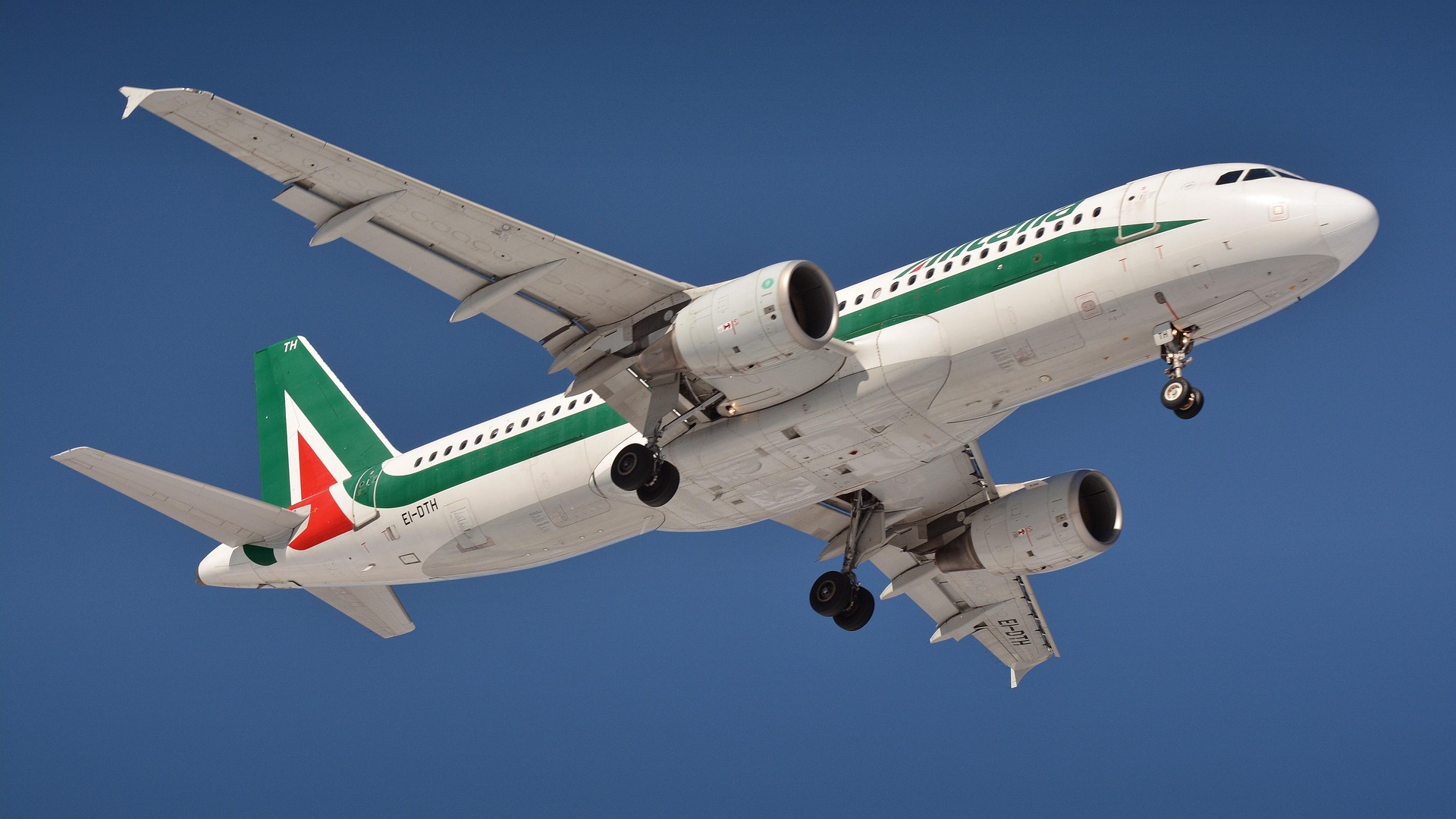
Alitalia
For decades, Alitalia was Italy’s flying emblem, carrying national pride across skies from Rome to Tokyo. However, chronic inefficiencies, political interference, and failed restructurings gradually eroded its wings. By 2021, the airline that once symbolized postwar recovery had become a textbook case of how not to manage a flag carrier.
Initial Success: The Golden Years of Alitalia
Founded in 1946, Alitalia quickly became one of Europe’s premier airlines. During the postwar economic boom, it benefited from:
- State support and national prestige: Alitalia was Italy’s ambassador abroad, a “flying embassy” aligned with national identity and supported by the state.
- Strategic expansion: The company capitalized on Rome’s position as a hub between Europe, Africa, and the Middle East, and strongly invested in maintaining a modern fleet.
- Rising tourism and business travel: The boom of the 1960s and 1970s brought full cabins and profitable routes.
At its peak, Alitalia was synonymous with Italian excellence, offering world-class service, a growing international network, and a loyal customer base. But as the aviation world liberalized and competition grew, the airline failed to adapt.
The Long Descent: Why Alitalia Failed
By the late 1990s, Alitalia’s structural weaknesses were impossible to ignore. Several interconnected factors sealed its fate:
- Political interference and governance chaos: Successive governments treated Alitalia as a political instrument, protecting jobs and routes rather than profitability. Frequent leadership changes led to inconsistent strategies and poor accountability.
- Labor rigidity and union conflicts: The company’s complex labor structure made cost reductions almost impossible. Strikes, overstaffing, and resistance to modernization added chronic inefficiency.
- Failed privatizations and mergers: Attempts to find strategic partners – from KLM to Etihad – repeateadly failed. The most emblematic case was the collapse of the 2008 Air France offer, derailed by political and union resistance, which led to the so-called Phoenix Plan: a domestically-led privatization that failed to provide technical expertise and slashed staff and fleet without fixing Alitalia’s structural weaknesses.
- Operational inefficiency and poor fleet renewal: While rivals modernized and consolidated, Alitalia kept flying older aircraft and operated an unprofitable route network. Even after joining SkyTeam, the airline struggled to find a coherent commercial identity.
As Linkiesta noted, the airline’s decline became “an endless tragedy of missed opportunities.” COVID-19, arriving in 2020, was the final blow. In October 2021, Alitalia flew its last flight, ending 75 years of history.
The Rebirth: ITA Airways and a Fragile Optimism
Out of Alitalia’s collapse came ITA Airways, officially launched in 2021, with the mandate of building a sustainable, competitive airline on the ruins of a national symbol. It started with fewer employees, a leaner fleet, and a promise to break with political and union interference. Still, skepticism ran deep: was it truly a new company, or just “Alitalia 2.0”?
Recent data from Il Sole 24 Ore (May 2025) shows encouraging progress:
- €3.1 billion in revenue for 2024, up 26% YoY.
- Positive EBIT of €3 million, for the first time in years.
- 17.7 million passengers transported (+19%), with an 81% load factor.
- 99 aircraft, 65% of which are new-generation and more fuel-efficient.
Yet challenges remain. The net result is still negative (€227 million), largely due to the euro/dollar exchange rate and leasing costs for new aircraft. But with the Lufthansa Group acquiring a 41% stake, CEO Joerg Eberhart expects breakeven in 2025, thanks to synergies in fleet management, routes, and alliances.
Outlook
ITA Airways represents both an end and a beginning. The coming years will test whether Italy’s national airline can achieve what Alitalia never did: financial stability without political dependency. If ITA succeeds, it will mark not just a restructuring victory, but a cultural shift from statalist national pride to modern corporate discipline.
Sources
- https://lavoce.info/archives/106920/alitalia-una-storia-di-successo-finita-male/
- https://www.linkiesta.it/2021/07/alitalia-ita-compagnia-covid-aerei-voli/
- https://en.ilsole24ore.com/art/ita-airways-closes-2024-improvement-31-billion-revenue-and-positive-ebit-3-million-AHAoLZb?refresh_ce=1
- https://www.sueddeutsche.de/wirtschaft/alitalia-italiens-fluegel-1.3514420